A Beginner's Guide to Reading Poetry Aloud
A poem read silently belongs to the reader. A poem read aloud belongs to the room. The distance between those two experiences is a skill most of us were never taught, and it shows the first time we stand up with a page in hand: the voice flattens, the breath runs out in the wrong place, and the lines that looked so sure of themselves on paper turn into a nervous mumble. If that sounds familiar, none of it is a talent problem. It is a set of small, learnable habits.
Reading poetry aloud is not the same as acting, and it is certainly not the same as "doing a voice". It means making the poem clear enough that a listener can follow the turns of thought, and alive enough that they want to. Most of what follows can be practised alone, at a kitchen table, in ten minutes at a time.
Start With Breath, Not Volume
Breath is the engine of the whole thing, and almost every beginner mishandles it in the same way: they breathe at the end of every line. It feels natural, because the page is showing you a column of short lines, each one ending in white space. It sounds like a person walking upstairs with a suitcase, one heavy step at a time.
Punctuation governs breath. Line breaks mostly do not. Read the poem once in silence, then take a pencil and mark a small vertical stroke wherever you intend to breathe: at full stops, at commas where the sentence genuinely opens up, and at the end of long clauses. Then try it. If a sentence is too long to finish comfortably, plan a quiet breath mid-sentence at a natural syntactic seam rather than gasping at the line end.
Two adjustments make an immediate difference. First, breathe low, so your ribs widen rather than your shoulders lifting; the breath is quieter and you get more of it. Second, do not let your lungs empty completely before you top up. A voice running on fumes gets thin and fast, and listeners hear the panic even when they cannot name it.
The Line Break Is Information
A line break is not a pause by default. It is a piece of information the poet has given you about how the sentence is built, and your job is to make that structure audible without turning it into a metronome. Take these two lines:
Leave the door open
for the one who is late.
The sentence runs straight across the break. If you stop dead after "open", you have turned one thought into two and made the poem sound more solemn than it is. If you barrel through as though the line ending did not exist, you lose the small tension the break creates, the half-second where the listener wonders who the door is for. The answer is something in between: keep the sentence moving, but let a fractional lift register at the break. Think of it as a hinge, not a wall.
End-stopped lines are different. When the line ends with punctuation, the thought closes there, and a brief pause is honest. A useful exercise is to read the same poem twice, once stopping hard at every break and once ignoring them entirely. Hearing both extremes teaches you faster than any rule, because you can feel where the poem resists and where it wants to move.
Find the Rhythm Without Chanting It
Metre is a trap for new readers. Once you notice a poem's beat, the temptation is to hit it, and hitting it turns verse into a nursery rhyme. The beat should be felt as an underlying pulse, the way you feel a heartbeat while walking, not the way you count it out loud.
Speak the sentence, not the line. Stress the words that carry meaning and let the small words get out of the way. In a phrase like "the light was already leaving the room", you would lean on light, already, and leaving; the articles and prepositions are connective tissue. Tapping a finger while you learn a difficult poem is fine, and it is also fine to stop tapping the moment you know where the stresses fall. If a listener can hear your hand, you have gone too far.
Aim to sound like a person saying something true, not like a person reciting a poem.
That also means avoiding what everyone recognises as "poetry voice": the stretched vowels, the rising tone at the end of every line, the reverent hush that makes meaning harder to hear. A blunt test is to say the line to someone as though you were explaining it to them. If the words come out differently and better, trust that version.
Pacing: The Pause Does the Work
Beginners read too fast, not because they are in a hurry, but because nerves speed everything up and the audience always needs longer than the reader expects. Before you rehearse, choose two or three places in the poem that deserve a real pause, a full two beats, and mark them. Those are usually the places where the poem turns: before the final image, after a line that changes the subject, at the moment the tone shifts. A genuine pause lets an audience catch up and lets a line land. The nervous half-second that many readers offer instead is too short to register and too awkward to be pleasant.
Speed should vary with what the poem is doing. Lists often want a little forward momentum. A complicated image after a simple one usually wants slowing down. Read the whole poem aloud once just to find its shape, and answer three questions: where does it turn, what is the most important line, and what do the last three lines need to do their work?
Then protect the ending. Most readings collapse in the final line, where the reader relaxes and rushes towards "thank you". Say the last line, hold the silence for two seconds, and only then look up.
Rehearsal That Actually Changes the Reading
Rehearsing silently in your head feels productive and does almost nothing. The voice in your head has better breath control than you do. Work aloud instead, and use a sequence like this one.
- Read it cold, once. No preparation, no judgement. You are collecting information about where the poem fights you.
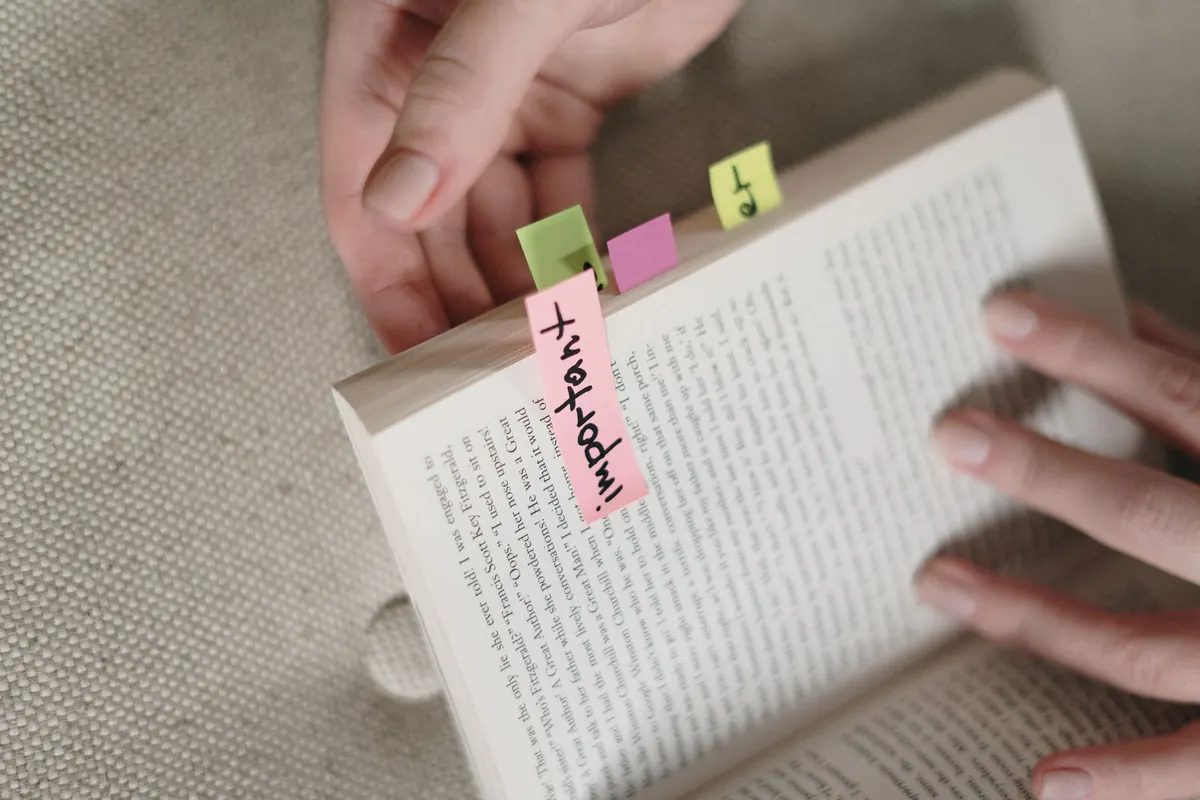
- Mark the page. Breaths with a small stroke, intended pauses with two slashes, stressed words with an underline. A marked poem is a working document, not a defaced one.
- Read it at half speed. Exaggerated slowness exposes mumbling, swallowed consonants and sentences you have been racing through without understanding them.
- Record yourself. Any phone will do. Listen for three things only: trailing off at line ends, monotone, and any place where you cannot make out your own words.
- Read it to one person. Ask them afterwards where they lost the thread, not whether they liked it. Their answer will be more useful and more honest.
- Drill the opening and the close. These are the ten seconds that carry the most weight. Know the first line and the last line well enough to say them while looking up.
At the Microphone
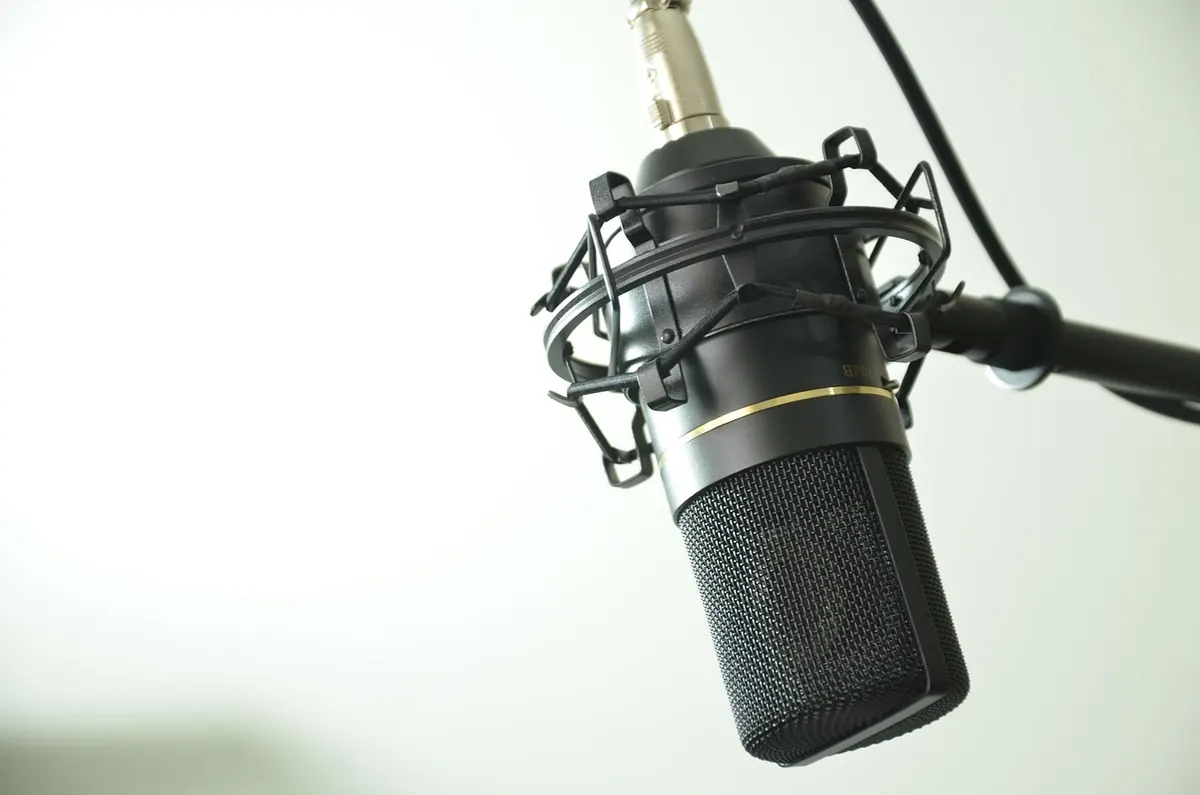
Most first readings happen at an open mic, a workshop or a friend's event, and the practical details matter more than the nerves do. Hold the page to one side so it does not cover your mouth. Keep the microphone roughly a hand's width from you and stay at that distance rather than drifting in and out. If you lose your place, do not apologise and do not improvise: pause, find the line, breathe, and carry on from a clean starting point. Audiences forget small stumbles within seconds. They remember a reader who panicked.
Before you begin, give the poem a single sentence of context if it needs one, then get out of the way. Skip the apology for being nervous; it invites the audience to listen for the nerves.
A Five-Minute Warm-Up Before You Read
Read two sentences aloud, any two, to check your voice is awake. Yawn once to release the jaw, then breathe low for four slow breaths without lifting your shoulders. Say the first line of the poem twice, the second time slower. Say the last line once and sit in the silence after it, so you know what it feels like to hold it. Then mark your three pauses one final time, put the pencil down, and look at the room before you start.
The rest is practice, and the practice is pleasant. Read a poem aloud every day for a week, to a friend, a recording app or an empty kitchen, and you will hear the difference. The page has given you the words; the reading is yours to build.
Photo: Pexels / Pixabay
You Might Also Like
A practical guide to turning an ordinary walk through your hometown into a short story, from noticing the right details to shaping a setting that does half the work.
Thirty autumn story prompts built around change, harvest, memory and eerie transitions, plus practical notes on turning a single line into a finished first draft.